


Choosing the best Inca Trail for your Machu Picchu adventure can be challenging with so many options available. Each route offers unique experiences, varying levels of difficulty, and distinct perspectives of the legendary Inca path. In this comprehensive guide, we’ll help you discover the best Inca Trail based on your needs, fitness level, available time, and travel expectations.

The best Inca Trail is not measured in kilometers but in unforgettable moments
Summary
Why Is Choosing the Best Inca Trail Important?
Not all travelers have the same needs. Some seek the extreme challenge of a long trek, others prefer a shorter but equally authentic experience, and many want to find the perfect balance between adventure and comfort. Deciding on the best Inca Trail for you will determine not only your level of enjoyment but also your safety, necessary preparation, and budget.
The good news is that there’s a perfect route for every type of adventurer. From the epic 6-day trek to the express 3-day version, each trail has its own advantages and special characteristics that make it best suited for certain types of travelers.
6-Day Inca Trail: The Most Complete Experience
Who Is It Best For?
The 6-day Inca Trail is considered by many purists to be the best for those seeking the most complete and authentic experience. This route is ideal for experienced adventurers, high-altitude trekking enthusiasts, and those with ample time for a deep immersion in Inca culture.
Key Features
This extended version begins in either Cachora or Huayllabamba, depending on the operator, and covers approximately 65 kilometers through diverse Andean ecosystems. Over six full days, trekkers experience:
Days 1-2: Gradual acclimatization through subtropical valleys and remote Andean communities. This initial phase allows your body to progressively adapt to the altitude, significantly reducing the risk of altitude sickness.
Days 3-4: Ascent through challenging mountain passes, reaching altitudes of up to 4,600 meters. These days include the most physically demanding sections but also the most spectacular panoramic views.
Day 5: Detailed exploration of less-visited archaeological sites such as Phuyupatamarca, Intipata, and Wiñay Wayna. With more time available, you can appreciate each complex at your own pace.
Day 6: Sunrise at Inti Punku and a full tour of Machu Picchu without the pressure of time.
Advantages of the 6-Day Trek
This route offers the best acclimatization pace, which is crucial for fully enjoying the experience without experiencing altitude sickness. The daily mileage is more balanced, with 8-12 kilometer treks instead of the marathon stages of shorter routes.
Furthermore, the 6-day Inca Trail allows you to visit additional archaeological sites that shorter routes omit, such as the extended Huayllabamba, Llulluchapampa, and remote sections of the original Qhapaq Ñan. The cultural experience is more profound, with greater interaction with local Andean communities. Disadvantages to Consider
The main limitation is the time required. You need at least 8-9 days in total, considering arrival in Cusco, acclimatization, and return. The cost is also higher, generally between $900-$1,200 USD, due to the additional days of services.
The difficulty level is high. It requires excellent physical condition and prior experience in multi-day treks. It is not the best for beginners or people with time constraints.
5-Day Inca Trail: The Perfect Balance
Who Is It Best For?
Many consider the 5-day trek the best compromise between completeness and feasibility. It is perfect for travelers in good physical condition who have a full week but cannot extend it to 6 days.
Main Features
This route covers approximately 55 kilometers, omitting some sections of the 6-day trek but maintaining all the main highlights. The typical itinerary includes:
Day 1: Start at kilometer 82 with a moderate 12-kilometer hike to Wayllabamba. This first day serves as the perfect warm-up.
Day 2: The main challenge with the ascent to Warmiwañusca (4,215 meters) and descent to Pacaymayo. A demanding 11-kilometer hike.
Day 3: An archaeological day visiting Runkurakay, Sayacmarca, and Phuyupatamarca, with a moderate 14-kilometer hike.
Day 4: A scenic route to Wiñay Wayna with time to explore this impressive complex. Final camp before Machu Picchu.
Day 5: Early morning hike to Inti Punku to see the sunrise over Machu Picchu, followed by an extensive guided tour and return to Cusco.
Advantages of the 5-Day Trek
This version offers the best balance between a complete experience and practical feasibility. It includes all the major archaeological sites of the classic Inca Trail plus extra time to enjoy them at a leisurely pace.
The pace is more relaxed than the 4-day trek, allowing for better acclimatization and recovery. Groups tend to be smaller, offering a more intimate and personalized experience.
The fifth day dedicated exclusively to Machu Picchu allows for in-depth exploration of the citadel without the extreme fatigue of the 4-day trek, where you arrive exhausted.
Disadvantages to Consider
The cost is moderately high, between $750 and $950 USD. It requires 7-8 total days of travel, which may be limiting for some itineraries.
Availability is more limited than the classic 4-day trek, with fewer operators offering this specific option. You must book even further in advance.
Classic 4-Day Inca Trail: The Most Popular Option
Who Is It Best For?
The classic 4-day Inca Trail is undoubtedly the best known and most popular globally. It’s ideal for travelers in good physical condition who have a week’s vacation and are looking for an authentic experience without extending their trip too much.
Main Features
This is the standard route that most people know as «the Inca Trail.» It covers 43 kilometers over four intense days:
Day 1: Starting at kilometer 82, a 12-kilometer hike to Wayllabamba (3,000 meters above sea level). Moderate pace, first introduction to the trail.
Day 2: The toughest day. Continuous ascent to Warmiwañusca at 4,215 meters, followed by a steep descent to Pacaymayo. Total distance: 11 kilometers, but with the greatest altitude challenge.
Day 3: Longest day in distance (16 kilometers) but technically easier. Visit to three main archaeological sites and a gradual descent to Wiñay Wayna.
Day 4: Early morning from 3:30 AM, final 5-kilometer hike to Inti Punku, sunrise over Machu Picchu, and citadel tour.
Advantages of the Classic 4-Day Trek
This option offers the best international recognition and the most testimonials and references from previous travelers. The infrastructure is well-established with multiple quality operators.
The costs are more affordable, between $600-$800 USD, and the availability of daily departures during peak season makes it easy to find dates that fit your itinerary.
The experience is optimized after decades of operation. The campsites, rest stops, and timing are perfectly calculated to maximize enjoyment and safety.
Disadvantages to Consider
The pace is very demanding, especially on the second and third days. Acclimatization is minimal, increasing the risk of altitude sickness symptoms if you don’t spend enough time in Cusco beforehand.
The fourth day is exhausting: waking up at 3:30 AM after three intense days of hiking. Many travelers report arriving at Machu Picchu too tired to fully appreciate it.
Popularity means more crowded trails during peak season. Although there is a limit of 500 people per day, it can feel less intimate than alternative routes.
3-Day Inca Trail: The Express Version
Who Is It Best For?
The 3-day Inca Trail, also known as the Short Inca Trail, is best for travelers with limited time, those in moderate fitness, or those who want a less intimidating introduction to Andean trekking.
Key Features
This compact version covers approximately 28 kilometers, starting at kilometer 104 (Chachabamba) instead of the traditional kilometer 82:
Day 1: Start at kilometer 104 with an immediate and steep ascent to Wiñay Wayna (4-5 hours of continuous climbing). Visit the archaeological complex and camp.
Day 2: Early morning hike to Inti Punku for sunrise over Machu Picchu. Descent to the citadel for a guided tour, then return train ride.
Some operators offer a 3-day option that includes:
Day 1: Kilometer 82 to Wayllabamba
Day 2: Warmiwañusca to Wiñay Wayna (very demanding double hike)
Day 3: Inti Punku and Machu Picchu
Advantages of the 3-Day Trek
This option requires the least total travel time. You can complete the experience in 5 days, including arrival and departure from Cusco.
It’s the most affordable, generally $450-$600 USD. Ideal for those on a budget who still want the authentic experience of the official Inca Trail.
The shorter version, starting at kilometer 104, allows you to skip the relatively flat first day of the classic trek and focus on the most spectacular sections: Wiñay Wayna, Inti Punku, and Machu Picchu.
Disadvantages to Consider
The intensity is very high if you choose the 3-day variant starting at kilometer 82. Condensing the classic trek by eliminating a day results in exhausting days.
The experience is less complete. You’ll miss important archaeological sites like Llactapata, Runkurakay, Sayacmarca, and Phuyupatamarca if you take the route starting at kilometer 104. The risk of altitude sickness is higher due to the high-altitude start without gradual acclimatization along the trail.
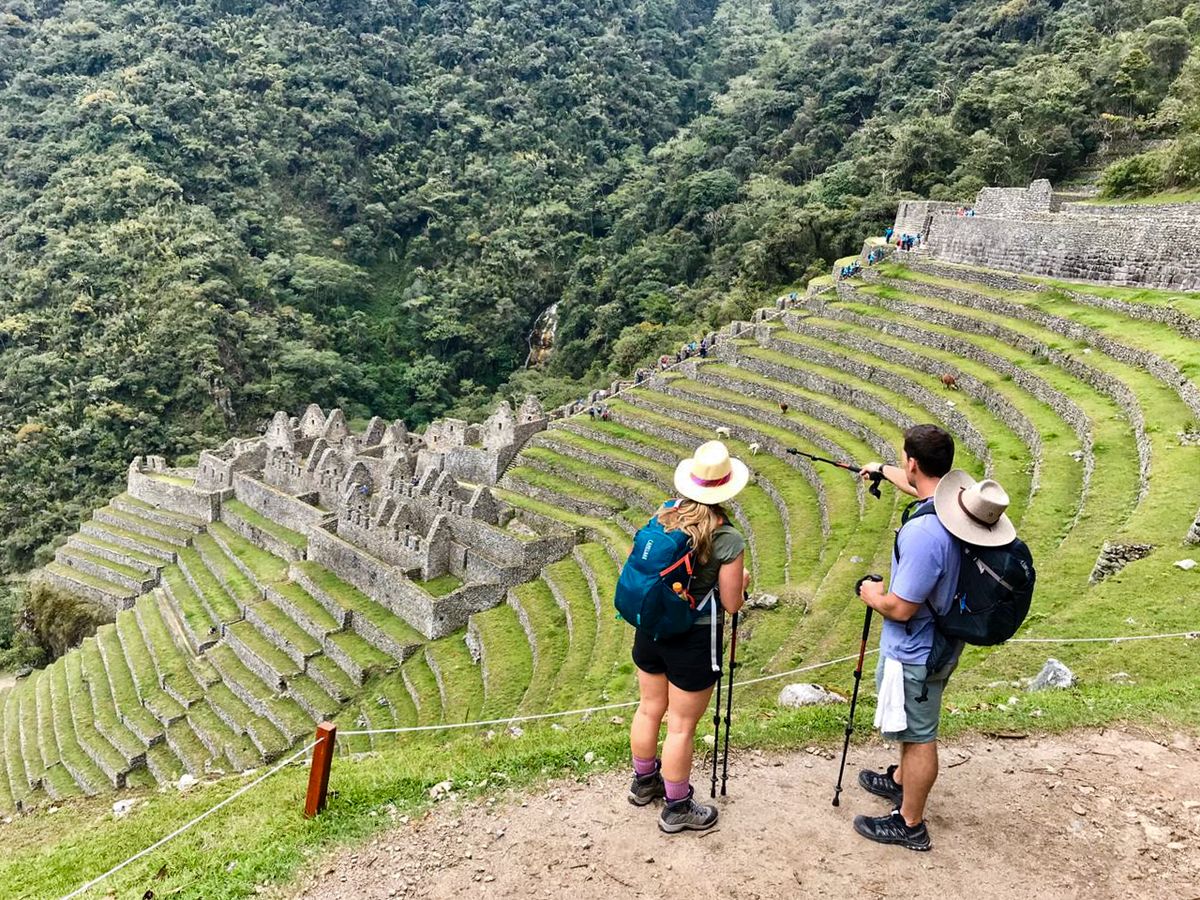
Discovering the best Inca Trail means discovering yourself among these mountains.
Which Is the Best Inca Trail? The Verdict
After analyzing the four main options, the answer to «which is the best Inca Trail» depends entirely on your travel style:
Best for Extreme Adventurers
The 6-day Inca Trail is your best option if you’re looking for the most complete, authentic, and challenging experience. It offers total immersion, optimal acclimatization, and access to remote sections of the ancient trail.
Best for the Perfect Balance
The 5-day Inca Trail is ideal if you want the best of both worlds: the full experience of the classic trek but with a more relaxed pace and extra time to appreciate Machu Picchu while rested.
Best for the Classic Experience
The 4-day Inca Trail is perfect if you’re looking for the iconic route, are in good physical condition, have a week to spare, and want to follow the exact steps documented and recommended by millions of travelers.
Best for Limited Time
The 3-day Inca Trail is your solution if you have time or budget constraints but still want to experience the official, government-permitted trail and arrive at Machu Picchu on foot.
Additional Factors for Choosing the Best Inca Trail
Physical Condition Required
The 6-day trek requires prior multi-day hiking experience and excellent cardiovascular endurance. The 5-day trek requires good general fitness. The classic 4-day trek demands moderate to intense preparation. The 3-day trek, especially from kilometer 104 onward, is feasible with basic fitness.
Available Budget
Costs vary significantly. The 3-day trek is the most economical ($450-600), followed by the classic 4-day trek ($600-800), then the 5-day trek ($750-950), and finally the 6-day trek ($900-1200).
Total Travel Time
Consider acclimatization days in Cusco before the trek. For the 6-day trek, you need 9-10 days total. For the 5-day trek, 7-8 days. For the classic 4-day trek, 6-7 days. For the 3-day trek, a minimum of 5 days.
Travel Season
Availability varies depending on the route. The classic 4-day trek has a greater number of operators and dates available. The 5- and 6-day treks have less availability and require booking further in advance.
Final Recommendations
If you’re still unsure which Inca Trail is best for you, consider these recommendations:
First time trekking at high altitude: Choose the 3-day Inca Trail starting at kilometer 104 or the 5-day trail for gradual acclimatization.
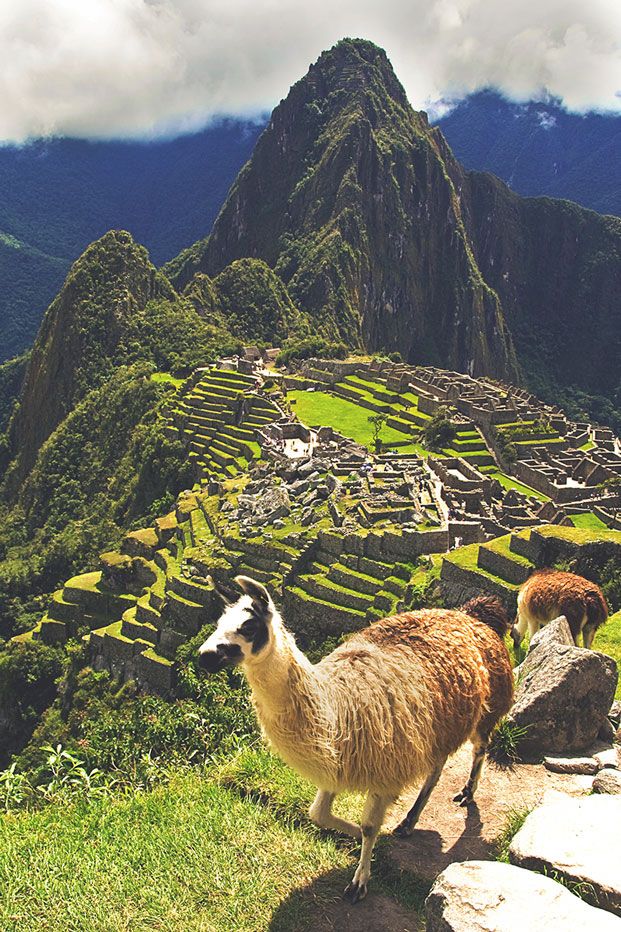
Up here you understand why the best Inca Trail is worth every drop of sweat.
Previous mountain experience: The classic 4-day or 6-day trail, depending on your available time.
Priority for photography and exploration: The 5- or 6-day trails give you time to capture better images at a more relaxed pace.
Traveling with family or mixed groups: The 5-day trail offers the best pace for different fitness levels.
On a tight budget: The 3-day trail maintains authenticity at a lower cost.
Conclusion
There’s no single answer to which Inca Trail is best because every traveler has unique needs. The most important thing is to choose honestly based on your actual fitness level, available time, and expectations for the experience.
Any of these routes will take you to Machu Picchu along the ancient path the Incas built more than 500 years ago. The magic of the Inca Trail lies not only in reaching the lost citadel, but also in the personal transformation that occurs with every step of the way.
The best Inca Trail is the one you complete safely, fully enjoy, and remember forever as one of the most significant experiences of your life. Evaluate your options, prepare properly, and embark on an adventure that will change your perspective of the world.
Ready to choose your perfect route? Contact us, and we’ll help you book the best Inca Trail according to your specific needs. The adventure of a lifetime awaits you in the Peruvian Andes.





Leave A Reply