


Choosing your entry time to Machu Picchu is as crucial a decision as selecting your tour route. The time you cross the entrance gate determines the quality of light for your photographs, the number of tourists with whom you will share the space, the weather conditions you will face, and ultimately, the magic of your experience at the lost citadel of the Incas. This guide will help you make the best decision based on your travel priorities.
Summary
Understanding the Entry Shift System
Currently, access to Machu Picchu is organized in shifts that begin at 6:00 AM and extend until 2:00 PM, with entry intervals every hour. Each shift has a limited number of visitors to avoid overcrowding the archaeological site and preserve the ancient structures. Once you enter at your assigned time, you have approximately 3 hours to complete your tour before you must leave the citadel.
It’s crucial to understand that your ticket specifies both the circuit and the exact entry time. You cannot arrive before or after your assigned time slot without risking losing your access. This strict schedule aims to distribute visitors evenly throughout the day, improving the experience for everyone and reducing the impact on the archaeological site.
The most popular time slots sell out quickly, especially during the peak season from May to September. If you have a preference for a specific time slot at Machu Picchu, you should book your ticket 2-3 months in advance. Some time slots, particularly the 6:00 AM slot, can sell out even 4 months in advance during the peak months of July and August.

The perfect time doesn’t exist on the clock; it exists in the exact moment when this place takes your breath away.
6:00 AM Time Slot: The Magical Sunrise
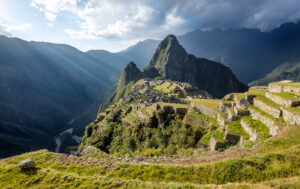
The first time slot of the day at Machu Picchu is the most coveted by travelers from all over the world, and for good reason. Entering at 6:00 AM allows you to witness one of the most breathtaking natural spectacles on the planet: the sunrise over the Inca citadel. As the first rays of sunlight begin to illuminate the ancient stones, a magical atmosphere unfolds, often described as spiritual.
The main advantage of this time of day is the morning mist that envelops the ruins, creating a mystical setting perfect for dramatic photographs. As the sun rises, the mist gradually dissipates, revealing the grandeur of the archaeological complex in a spectacle that changes minute by minute. Professional and amateur photographers alike consider this the best time to capture truly memorable images.
Another significant advantage is that you’ll find the citadel practically empty during the first hour. You can explore the main areas without crowds gathering in the same spots, allowing for a more intimate connection with the site. The morning tranquility allows you to hear the sounds of the cloud forest, the songs of exotic birds, and feel the ancient energy without distractions.
However, this time of day has some significant drawbacks. You must get up very early, especially if you’re staying in Aguas Calientes and need to catch the bus up to Machu Picchu (a 30-minute ride). Buses start running at 5:30 AM, but lines form as early as 4:30 AM. If you arrive from Cusco by train, you need to take the first train, which departs around 5:00 AM, meaning you should be at the station by 4:30 AM.
Morning weather can be unpredictable. The fog that creates magical photographs can also be so dense that it completely obscures the ruins. During the rainy season, mornings tend to be cloudier and more humid. Additionally, temperatures are cooler, so you’ll need to pack layers of clothing that you’ll then have to carry when the sun warms up.
Mid-Morning Tours: 7:00 AM – 9:00 AM
The tours between 7:00 and 9:00 AM offer an interesting balance between the magic of sunrise and the practicality of more reasonable hours. At this time, the sun has already fully illuminated the citadel, providing excellent light for photographs without the harshness of midday. The fog has usually dissipated, allowing for clear views of the structures and surrounding mountains.
The temperature is pleasant during these tours at Machu Picchu, neither too cold like at sunrise nor excessively hot like at midday. This makes walking the circuits more comfortable, especially if you plan to explore for the full 3 hours allowed by your ticket. You don’t need to get up as early as for the first tour, but you still enjoy optimal conditions. The occupancy level during these times is moderate to high. There are already quite a few visitors at the site, but the distribution among the different circuits prevents excessive crowding at most points. You can take photos without waiting too long, although you’ll occasionally have to share iconic spaces with other groups.
For those arriving by train from Cusco, these time slots are more logistically convenient. You can take trains departing as early as 6:00 AM, arriving in Aguas Calientes with plenty of time. This added convenience reduces travel stress and allows you to arrive at Machu Picchu with renewed energy to fully enjoy your exploration.
The lighting during these times is especially favorable for photographing architectural details. The sideways sunlight highlights the textures of the stones, the shadows better define the reliefs, and you can appreciate the precision of the Inca constructions more clearly. If your interest is in documenting technical or architectural aspects, these time slots are ideal.
Midday Shifts: 10:00 AM – 12:00 PM
The midday hours have very specific characteristics that can be advantages or disadvantages depending on your priorities. The main characteristic of these shifts at Machu Picchu is the intense overhead light. The sun is almost directly overhead, practically eliminating all shadows and creating a flat lighting that is not conducive to landscape photography.
For photographers, this is usually the worst time of day because the harsh light generates excessive contrast, bleaches the skies, and eliminates the three-dimensional depth of the structures. However, for those who are not photography enthusiasts and simply want to experience the site, the bright lighting allows you to see all the details with absolute clarity.
These are the shifts with the highest number of visitors. Organized groups, day trips from Cusco, and cruises that include Machu Picchu in their itineraries tend to concentrate during these times. This means crowds at the most photogenic spots, lines to access certain areas, and a less contemplative and more touristy atmosphere. The heat can be intense during these shifts, especially between October and March. The altitude combined with the physical exertion of walking up stairs and uneven paths can be tiring. You’ll need to drink more water, apply sunscreen frequently, and take more frequent breaks. For people with heart conditions or low heat tolerance, these times can be particularly challenging.
However, there is a significant logistical advantage: these shifts allow you to enjoy a leisurely morning in Cusco or Aguas Calientes, have a relaxed breakfast, and arrive at Machu Picchu without the pressure of an excessively early start. If you’re traveling with young children or elderly people who need stable sleep routines, these more manageable times can be worthwhile despite the photographic disadvantages.

The train journey to the lost citadel is already part of the magic.
Afternoon Shifts: 1:00 PM – 2:00 PM
The last entry shifts to Machu Picchu are the least popular, which paradoxically makes them an attractive option for certain types of travelers. The main advantage is that you’ll find the citadel significantly less crowded. The day tour groups are already departing, the early morning visitors are exhausted as they leave, and you’re arriving refreshed with renewed energy.
The afternoon light, especially between 2:00 and 4:00 PM when you’ll still be inside the site, begins to soften again. Photographers call this period the «golden hour» because the setting sun creates warm, golden tones that greatly enhance photographs. Shadows return, adding depth and texture to your images.
For those seeking contemplative or spiritual experiences at Machu Picchu, these times offer much-needed tranquility. You can sit on the terraces, meditate in the ceremonial temples, and absorb the energy of the place without the constant noise of guided tours or the pressure of crowds pushing you forward.
The main drawback is the weather. Afternoons at Machu Picchu are significantly more prone to rain, especially between November and March. Even during the dry season, clouds gather in the afternoon and can obscure views of the surrounding mountains. You should be prepared with rain gear and accept that your photos may include cloudy skies. Logistically, these schedules work well if you’re staying in Aguas Calientes and have the whole day free. You can spend the morning exploring the town, relaxing in the hot springs, or visiting other nearby sites before heading up to the citadel. However, if you need to return to Cusco the same day, the last trains depart around 6:00-7:00 PM, giving you a fair but manageable window.
Special Factors: Season and Weather
The time of year dramatically influences the best time to visit Machu Picchu. During the dry season (April to October), sunrises are generally clear, and mornings offer excellent visibility. The 6:00 AM time slot is particularly magical because the probability of clear skies is high. Afternoons can become cloudy, but rain is rare.
During the rainy season (November to March), the situation is partially reversed. Mornings often dawn cloudy with dense fog that can take until 10:00 AM to dissipate completely. Mid-morning times (8:00-10:00 AM) may offer better visibility than sunrise. Rain is more likely in the afternoon, making later times riskier.
The transition months (April, October, and November) present the most unpredictable weather at Machu Picchu. You can experience anything from perfectly clear mornings to sudden downpours at any time. During these months, any time slot is a gamble, and the important thing is to be prepared for all types of weather: sunscreen, a raincoat, and layers of clothing.

Amid vibrant colors and artisan hands, the Aguas Calientes market
Recommendations Based on Traveler Profile
For professional photographers or serious amateurs: the 6:00 AM slot is non-negotiable during the dry season. The quality of light at dawn is unparalleled, and the images you capture will completely justify the sacrifice of getting up early. Also consider the 2:00 PM slot to capture the sunset if your budget allows for two visits.
For families with young children: I recommend the 8:00 or 9:00 AM slots at Machu Picchu. They allow for reasonable sleep routines for children, moderate temperatures, and enough light for little ones to appreciate the grandeur of the site without being exhausted or irritable from getting up too early.
For older travelers or those with mobility limitations: the mid-morning slots (9:00-10:00 AM) offer the best balance. The temperatures are comfortable, visibility is excellent, and you avoid both the chill of dawn and the intense midday heat. Plus, there’s no need to get up extremely early or be pressured by tight schedules.
For adventurers planning to climb Huayna Picchu or Machu Picchu Mountain: the early morning slots (6:00-7:00 AM) are ideal because you complete the ascent before the midday heat and have plenty of time to explore the citadel after descending.
For spiritual travelers or those seeking a deep connection with Machu Picchu: without tourist distractions, the 1:00 or 2:00 PM slots offer the necessary solitude. Although you risk rain, you’ll gain tranquility and the opportunity for genuine contemplation.
Conclusion: Your Perfect Time Awaits
There is no universally perfect time to enter Machu Picchu – there is a perfect time for you based on your priorities, abilities, and circumstances. If you prioritize photography and atmospheric magic, get up early for sunrise. If you value comfort and visibility, choose mid-morning. If you’re looking for tranquility, go for an afternoon visit.
The important thing is to make an informed decision, understanding the advantages and disadvantages of each time slot. Consider factors such as the time of year you’re traveling, your physical condition, whether you’re traveling alone or with others, your specific interests in photography or architecture, and your logistical flexibility to get up early or stay late.
Remember that visiting this Inca wonder will be memorable regardless of the entry time you choose. The grandeur of the lost citadel transcends light conditions or crowds. However, consciously choosing your time slot can transform a memorable visit into a truly transformative experience that you’ll recall with precision and emotion for the rest of your life.





Leave A Reply