


Planning your visit to Machu Picchu requires making a crucial decision that will completely determine your experience: choosing the right tour. Since 2024, access to the Inca citadel has been organized through specific routes that take you through different sectors of the archaeological complex. This guide will help you make the best decision based on your interests, fitness level, and travel goals.
Summary
Circuit 1: Ideal for Photographers and Short Visits

Each circuit reveals different secrets of this sacred city where the stones tell ancient stories.
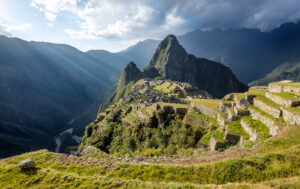
The first tour, known as the Panoramic or Upper Terrace Tour, is perfect if your priority is capturing the iconic image of Machu Picchu. This route takes you to the upper part of the citadel, where you’ll find the classic viewpoint from which to take the postcard-perfect photo with Huayna Picchu in the background.
This tour lasts approximately 2 to 2.5 hours and is the least physically demanding. You’ll explore the Guardian’s House, the upper agricultural sector with its impressive stepped terraces, and several strategic viewpoints offering sweeping perspectives of the complex. It’s especially recommended for seniors, families with young children, or day-trippers from Cusco with limited time.
However, this circuit has one significant limitation: you won’t have access to the main temples or the most iconic ceremonial structures, such as the Temple of the Three Windows. If your goal is to understand Inca religious architecture or explore the interiors of the buildings, this circuit will leave you wanting more. But if you’re looking for the perfect panoramic view, to document the scale of the citadel from above, and to have a peaceful experience without much physical exertion, this circuit is definitely your best option.
Circuit 2: The Most Complete and Recommended Experience
If you’re only going to visit Machu Picchu once in your life, the second circuit is undoubtedly the best choice. This route, known as the Classic or Traditional Machu Picchu Tour, takes you through the most emblematic and significant sites of the Inca citadel, offering the best balance between panoramic views and detailed architectural exploration.
During this approximately 3-hour tour, you will visit the Temple of the Sun, a semicircular structure with impressive astronomical precision; the Royal Palace, where the emperor resided; the Sacred Plaza, the ceremonial heart of the city; the Temple of the Three Windows with its cosmological symbolism; and the famous Intihuatana, the ceremonial stone that served as an astronomical observatory and solar calendar.
This tour also includes the residential sector of the Inca elite, the food storage facilities called colcas, and various enclosures that showcase the urban complexity of Machu Picchu. You will walk along original cobblestone streets, enter buildings with intact roofs, and gain an understanding of how daily and religious life functioned in this sacred city. Most professional guides recommend this circuit because it offers the best balance of historical content, architectural experience, and memorable photographs.
The only consideration is that it requires climbing some stairs and walking on uneven terrain, though nothing extremely strenuous. If you have moderate mobility and 3-4 hours available, this circuit will transform your visit into a truly comprehensive experience that covers all the essential aspects of Machu Picchu.

Among terraces and temples, I discover why the Incas chose this impossible place to build their masterpiece.
Circuit 3: For Explorers Seeking Tranquility
The third circuit, known as the Royal or Lower Sector, offers a different perspective of the citadel. This route takes you through less crowded areas, allowing for a more contemplative and less tourist-saturated experience. It is ideal for those visiting Machu Picchu for the second time or for those who prefer to avoid the crowds concentrated at the most famous sites.
This 2.5-hour circuit includes the Temple of the Sun seen from a different angle, the lower agricultural area, secondary residential sectors, and lesser-known but equally fascinating ceremonial areas. You get closer to the impressive precipice that surrounds the citadel, offering spectacular views of the Urubamba River snaking thousands of meters below in the canyon.
The main limitation of this circuit is that it does not include the Sacred Plaza, considered by many to be the most sacred and significant place in Machu Picchu. You also do not have access to some of the main temples that appear in tourist guides. However, if you seek spiritual connection in tranquil settings, if you’re a photographer looking for unique angles, or if you’ve already explored the main areas and want to discover new ones, this circuit might be perfect for you.
It’s important to note that this circuit offers excellent opportunities to observe architectural details without the pressure of crowds. You can take your time examining construction techniques, appreciating the integration with the natural landscape, and reflecting on the purpose of each structure without hundreds of people vying for the same space.
Circuit 4: For Adventurers and Trekking Enthusiasts
The fourth circuit is special because it combines an archaeological visit with the option of climbing one of the mountains surrounding the citadel: Huayna Picchu or Machu Picchu Mountain. This route is designed for travelers seeking to combine culture with physical adventure and who want to gain elevated perspectives of the entire complex.
If you choose to climb Huayna Picchu, the iconic mountain featured in all the classic photographs, you’ll face a challenging hike of approximately one hour up steep, narrow, and in some sections exposed Inca staircases. The reward is an unparalleled panoramic view of Machu Picchu from above, allowing you to appreciate the complete urban design and its seamless integration with the mountainous landscape. This climb has very limited capacity (only 200 people per day, divided into two groups) and sells out months in advance.
The alternative within this circuit is Machu Picchu Mountain, less famous but equally spectacular. This hike is longer (1.5 to 2 hours of ascent) but less technical, taking you to 3,082 meters above sea level. From this summit, you’ll get even more expansive views of the Sacred Valley, the entire citadel, and the surrounding cloud forest ecosystem. It has greater availability (800 people per day) but still requires advance booking.
This circuit is not recommended for people with vertigo, heart problems, weak knees, or poor physical condition. The altitude combined with the exertion can be challenging even for athletic individuals. However, if you’re looking for an experience that combines archaeology with extreme adventure, and if your physical condition allows it, this circuit will transform your visit into a memorable feat that few tourists manage to complete.

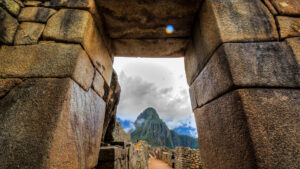
The perfectly assembled stones bear witness to five centuries of resistance while Huayna Picchu eternally watches over the lost citadel.
Key Factors for Choosing Your Circuit
Several factors should influence your decision about which circuit to choose at Machu Picchu. The first and most important is whether this is your first visit or if you’ve been to the site before. For first-timers, Circuit 2 is invariably the best option because it covers the essential sights that you mentally define as «seeing Machu Picchu.»
Your physical condition is another determining factor. If you have mobility limitations, knee problems, or are simply not used to long walks, Circuit 1 offers the most accessible experience. If you’re adventurous and athletic, Circuit 4, with its mountain climb, will give you the adrenaline rush you’re looking for.
The amount of time you have available also matters. If you’re arriving by train from Cusco and need to return the same day, you’ll need a shorter circuit like 1 or 3. If you’re staying in Aguas Calientes and have the whole day, you can comfortably enjoy Circuit 2 or even combine multiple visits.
Your personal interests should guide your choice. Are you a professional or amateur photographer? Circuit 1 offers the best panoramic views. Are you fascinated by architecture and history? Circuit 2 is a must. Are you looking for spiritual experiences in tranquil settings? Circuit 3 offers the solitude you need. Do you want to boast about climbing Huayna Picchu? Circuit 4 is your challenge.
Recommendations Based on Traveler Profile
For families with children under 12: I highly recommend Circuit 1. It’s short, safe, has no dangerous areas, and keeps little ones engaged with spectacular views without physically exhausting them. Children can appreciate the magnitude of Machu Picchu without needing to understand all the historical details.
For honeymooners or romantic travelers: Circuit 2 offers the most iconic settings for memorable photos together. You can share the moment of touching the Intihuatana, explore ceremonial temples, and create memories in the most significant places of the citadel.
For serious photographers: Consider Circuit 1 at 6 AM to capture the sunrise, or Circuit 4 if you want aerial shots from the mountains. Alternatively, you can visit two consecutive days with different circuits to capture every possible angle.
For solo travelers seeking spiritual reflection: Circuit 3 in the afternoon offers the tranquility needed to meditate, absorb ancestral energies, and connect deeply with the place without the distractions of crowds.
For groups of young, adventurous friends: Circuit 4 with Huayna Picchu is perfect. You can challenge each other, celebrate together upon reaching the summit, and show off your achievements with epic photos that will generate envy on social media.
Common Mistakes When Choosing a Tour
Many travelers choose their tour without properly researching what each route includes, guided solely by price or availability. This is the most serious mistake because you end up visiting Machu Picchu without seeing what you really wanted to see. Take the time to study detailed maps of each tour before deciding.
Another common mistake is underestimating the physical effort required, especially on Tour 4. Many people book Huayna Picchu thinking it’s an easy hike and then encounter extremely steep stairs that cause panic. If you have doubts about your fitness level, it’s better to choose a less demanding tour than to ruin your experience due to exhaustion or fear.
Some travelers don’t consider the weather. If you visit during the rainy season (November to March) and choose Tour 4, you might find the mountains closed for safety reasons, losing your opportunity and your money. During those times, it’s safer to choose tours that aren’t dependent on weather conditions.
It’s also a mistake to book without considering the entry time. The perfect tour at the wrong time can ruin your experience. For example, Circuit 1 is ideal at sunrise for magical photos, but if you arrive at midday with harsh midday light, your photos won’t be as high quality.

Following in the ancestral footsteps of emperors and priests, I connect with the spirituality that still inhabits these walls.
Conclusion: Make the Right Choice
Choosing the right circuit at Machu Picchu is just as important as deciding to visit this place. Your choice will determine what you see, how much you walk, what photos you take, and what memories you take home. There is no universally «best» circuit—there is the perfect circuit for your specific needs.
If you still have doubts after reading this guide, my general recommendation is Circuit 2 for your first visit, potentially complemented by a second day doing Circuit 1 or 3 if your budget and time allow. This combination will give you a complete perspective of Machu Picchu from multiple angles.
Remember to book in advance, especially for mountain circuits that have limited capacity. Read the official descriptions carefully, consult with your travel agency, and don’t hesitate to ask questions before buying your ticket. Machu Picchu is a once-in-a-lifetime experience for most people – make sure you experience it exactly as you dreamed by choosing the tour that best aligns with your expectations, abilities, and desires. The lost citadel of the Incas awaits, and your ideal tour is there to reveal its secrets in the most perfect way possible.





Leave A Reply