


Machu Picchu Circuit 3 is one of the lesser-known but most fascinating ways to explore the Inca citadel. While most tourists flock to Circuits 1 and 2 seeking iconic views and main temples, Circuit 3 offers a different, quieter, and more contemplative perspective of this World Heritage Site. This comprehensive guide will help you decide if this route is the right choice for your visit to this Andean wonder.
Summary
What is Circuit 3 and Why Does It Exist?
Circuit 3, officially called the «Royal Route» or «Lower Sector,» was designed by the Peruvian Ministry of Culture to better distribute the flow of visitors to Machu Picchu and reduce pressure on the most crowded areas. This route takes you through areas that traditionally received less tourist attention but are equally important for understanding daily life and the urban organization of the Inca city.
Unlike Circuit 2, which prioritizes ceremonial temples and main plazas, Circuit 3 at Machu Picchu focuses on residential sectors, agricultural areas, and structures related to the daily lives of the Inca elite. This alternative perspective allows you to appreciate aspects of the civilization that the more popular circuits barely touch upon, offering a more holistic understanding of how this sacred city functioned.
The estimated duration of this circuit is approximately 2.5 hours, although contemplative travelers can easily extend it to 3 or 3.5 hours. The route is less physically demanding than other circuits, with fewer steep stairs and a generally more relaxed pace, making it accessible to a wide range of visitors.

Circuit 3 gives me a tranquility that other travelers will never find on the more crowded paths of the citadel.
What You’ll See on Circuit 3 of Machu Picchu
Circuit 3 begins by taking you through the lower agricultural area of the citadel, where you can observe the impressive stepped terraces used to cultivate food and control erosion on the mountain slopes. These terraces demonstrate the profound agricultural knowledge of the Incas, who created artificial microclimates to grow diverse crops at different altitudes.
One of the most significant structures you will visit is the Temple of the Sun, though from a different perspective than Circuit 2. This semicircular structure with trapezoidal windows perfectly aligned with specific astronomical points is a masterpiece of Inca ceremonial architecture. Below the Temple of the Sun lies the Palace of the Ñusta, often called the «Royal Tomb,» although it likely never served as such.
The circuit also takes you through residential areas where the nobles and administrators of Machu Picchu lived. These enclosures showcase the Inca urban sophistication: drainage systems, storage niches, and a spatial distribution that reflected social hierarchy. You can observe how the buildings intended for the elite had finer stonework and more privileged locations within the city.
A distinctive feature of Circuit 3 is that it takes you close to the breathtaking precipice surrounding the citadel. From various points along this route at Machu Picchu, you’ll have spectacular views of the Urubamba River snaking thousands of meters below at the bottom of the canyon. This dramatic perspective helps you understand the strategic location and natural isolation that protected the city.
The ceremonial mortars are another point of interest on Circuit 3. These circular structures carved into the rock likely served for rituals involving water or chicha (a ceremonial corn beverage). Their exact function remains a subject of debate among archaeologists, but their presence reinforces the sacred nature of every aspect of life in the citadel.
What You WON’T See on Circuit 3
It’s crucial to understand the limitations of this circuit before booking your Machu Picchu ticket. Circuit 3 does NOT include getting close to the Intihuatana, arguably the citadel’s most famous ceremonial structure. This carved stone, which served as an astronomical observatory and solar calendar, is considered by many to be the spiritual heart of the site.
You also won’t visit the Sacred Plaza or the Temple of the Three Windows, iconic structures featured in most documentaries and books about Machu Picchu. These sites, central to Circuit 2, represent the ceremonial and religious core of the Inca city. If your primary interest is understanding the spiritual and astronomical aspects of Inca culture, the absence of these sites on Circuit 3 will be a significant limitation.
The reflecting pools and some of the most photographed smaller temples are also not included on this route. Basically, if you’re hoping to recreate the classic photos you’ve seen in guidebooks or on social media, Circuit 3 will likely leave you disappointed because it avoids the most iconic angles and structures.
Advantages of Circuit 3 Compared to Other Routes
The main advantage of Circuit 3 at Machu Picchu is its tranquility. By avoiding the most crowded spots, this route allows for a much more contemplative and less overwhelming experience. You can stop to observe architectural details without being jostled by groups of tourists, you can sit on the terraces to absorb the energy of the place, and you can connect more deeply with the spirit of the citadel.
For photographers seeking unique angles and original compositions, Circuit 3 is a hidden gem. While everyone else is capturing the same iconic images from the traditional viewpoints, you’ll be getting fresh perspectives and less crowded views of Inca architecture. The views of the precipice and the valley are especially spectacular from several points along this route.
This route is ideal for second or third visits to Machu Picchu. If you’ve already explored the main temples on a previous visit, Circuit 3 offers entirely new areas that complement and enrich your understanding of the site. Many frequent travelers to Peru specifically choose this circuit on subsequent visits for this very reason.
The lower physical demands are another significant advantage. If you’re traveling with seniors, young children, or if you have mild mobility limitations, Circuit 3 offers a manageable route without the steep stairs that characterize other routes at Machu Picchu. The pace can be more leisurely, allowing for frequent breaks without the pressure of groups constantly following you.
From an educational perspective, this circuit offers valuable insights into Inca daily life that other circuits barely touch upon. If you’re interested in understanding how the city truly functioned beyond its ceremonial aspects, if you want to grasp the agricultural, hydraulic, and residential systems that sustained the community, Circuit 3 is remarkably enlightening.
Disadvantages and Limitations of Circuit 3
The most obvious disadvantage is the absence of Machu Picchu’s most iconic sites. If this is your only visit to the citadel and you don’t plan to return, choosing Circuit 3 means sacrificing experiences that most consider essential. You won’t walk through the Sacred Plaza, and you won’t visit temples that are central to the site’s historical narrative.
For many visitors, especially those who travel from afar investing considerable money and time, the Circuit 3 experience can feel incomplete. There is a real risk of returning home feeling like you missed fundamental aspects of Machu Picchu, especially when friends and family ask about specific places you didn’t visit.
The photo opportunities, while unique, don’t include the classic panoramic views everyone hopes to capture. If part of your motivation for visiting Machu Picchu is to get «the perfect shot» you’ve seen a thousand times, Circuit 3 won’t provide it. The angles and perspectives are different, which is valuable for creative photographers but frustrating for those looking to document specific locations.
The information available on Circuit 3 is limited compared to other circuits. Fewer guides specialize in this route, fewer books detail it extensively, and you’ll find fewer resources to prepare for your visit. This can make your experience less intellectually enriching if you don’t hire an exceptional guide who has in-depth knowledge of these less-traveled areas.
Who is Circuit 3 Ideal For?
Circuit 3 at Machu Picchu is perfect for second-time visitors who want to explore areas they missed on their first visit. If you’ve already fulfilled your dream of seeing the Intihuatana and the main temples, this route offers a completely new perspective that enriches your overall understanding of the site. It’s ideal for people who value tranquility over exhaustiveness. If you prefer to experience places without crowds, even if it means sacrificing certain tourist attractions, Circuit 3 will reward you with moments of genuine peace in a place typically saturated with visitors. Spiritual seekers and meditators will find the space they need for their practices here.
Professional photographers or advanced amateurs who already have the classic images and are looking for original compositions will greatly enjoy this route. The unique perspectives from the precipice, the terraces seen from unusual angles, and the less photographed residential sectors offer creative opportunities that other circuits don’t provide.
For travelers with a specific interest in Inca agriculture, hydraulic systems, or residential architecture, Circuit 3 is superior to other options. Students of anthropology, archaeology, or history will find invaluable information in these sectors about non-ceremonial aspects of Inca life that complement what the temples reveal.
Finally, it is appropriate for those with time or energy limitations but who still want to experience Machu Picchu. If you arrive late in the day, if you only have 2-3 hours available, or if your physical condition does not allow for more demanding circuits, Circuit 3 offers a manageable and satisfying experience.
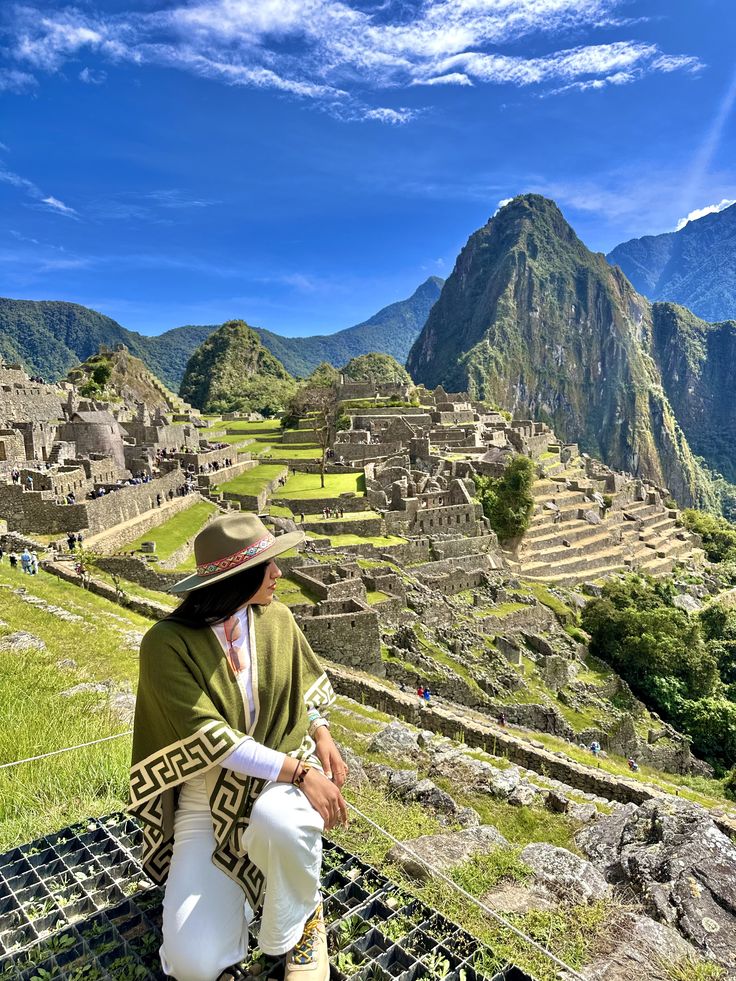
The Royal Route reveals secrets of Inca daily life that ceremonial temples could never tell.
Tips for Maximizing Your Circuit 3 Experience
Hire a specialized guide who has in-depth knowledge of Circuit 3. Since this route receives less attention in tourist materials, an exceptional guide makes all the difference between a superficial experience and a truly enlightening one. Look for guides who specialize in Inca architecture or archaeology rather than general tourist narratives.
Bring binoculars if you are a birdwatcher or nature enthusiast. Circuit 3 takes you to areas where Andean wildlife is more visible. You may spot species that other visitors focused on temples never notice. The biodiversity around Machu Picchu is extraordinary, and this route puts you in a better position to appreciate it.
Take your time on the agricultural terraces. Sit down, observe the irrigation systems, and notice how each level has slightly different characteristics. These terraces represent centuries of agricultural knowledge condensed in stone and earth. Appreciating them requires patience that most hurried tourists don’t invest.
If your budget allows, consider combining Circuit 3 with Circuit 2 on consecutive days. This strategy gives you a complete perspective of Machu Picchu: the ceremonial and the everyday, the public and the private, the monumental and the intimate. It’s the most comprehensive way to experience the citadel.
Arrive in the late afternoon (1:00-2:00 PM) if you want to maximize the tranquility of Circuit 3. While this circuit is always less crowded, the late-afternoon shifts make it even more solitary. You’ll be able to experience practically empty areas, something almost impossible on other circuits and at other times.
Conclusion: Is Circuit 3 for You?
Machu Picchu Circuit 3 isn’t for everyone, and that’s precisely what makes it special. It’s a route for conscious travelers who value quality over quantity, contemplation over quick tourist consumption. If your visit to the Inca citadel is more about deep connection than ticking boxes on a list, this circuit can offer you exactly what you’re looking for.
However, if this is your first and possibly only visit to Machu Picchu, you should probably prioritize Circuit 2, which includes the essential sites you mentally define as «seeing Machu Picchu.» Circuit 3 works better as a complement than an introduction, offering additional depth to those who already have the basic context.
For those willing to sacrifice iconic experiences in exchange for tranquility, unique perspectives, and a deeper understanding of daily Inca life, Circuit 3 is a hidden gem. It will take you off the beaten path, literally and metaphorically, revealing facets of the citadel that remain hidden to most visitors. In a world where everyone seeks the same tourist experiences, choosing this circuit is an act of individuality and genuine curiosity that will be rewarded with increasingly rare moments of authenticity in destinations as famous as this wonder of the Peruvian Andes.





Leave A Reply