


The beautiful and dramatic geographical location of the lost city of the Incas and its incredible shrines and sectors to explore in Machu Picchu, helped it to be chosen on June 7, 2007 as one of the 7 wonders of the world with more than 100 million votes. This Inca citadel, in addition to having shrines for the sun, the moon, constellations, sacred mountains and mother earth, also has incredible agricultural, experiential, textile manufacturing and food warehouse sectors that we will describe in this blog below.
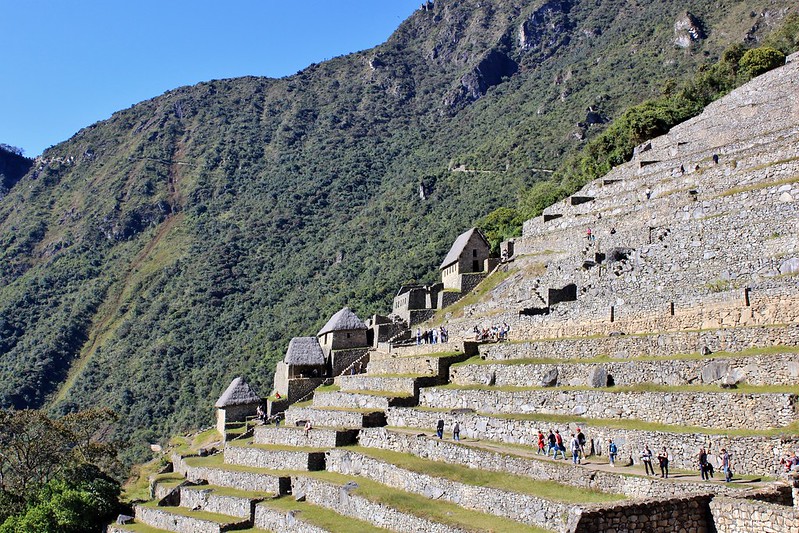
Farming terraces
Summary
Explore in Machu Picchu the agricultural terraces
The agricultural area of Machu Picchu occupies the entire south-eastern part of the citadel, it is made up of terraces (cultivation terraces), structures that reach up to 4 meters in height formed by a stone wall and a filling of materials that facilitate drainage. , preventing water from pooling in them and collapsing their structure.
It is divided in the upper part with more than forty platforms and in the lower part approximately eighty, connected by stairs and corridors. The wider platforms at the top were for agricultural functions, the lower platforms served to prevent erosion and landslides caused by rain and seismic movements.
According to the soil and pollen studies carried out in the agricultural sector of Machu Picchu, it was possible to identify that the products they planted and that were a fundamental part of their diet were: corn, potatoes, pumpkins, sweet potatoes, arracacha and chili peppers. . Within the Inca citadel, 4 types of terraces were identified: terraces that served as retaining walls, agricultural and ornamental terraces, and terraces that functioned as bleachers for people and that were located in the ceremonial plazas of Machu Picchu.
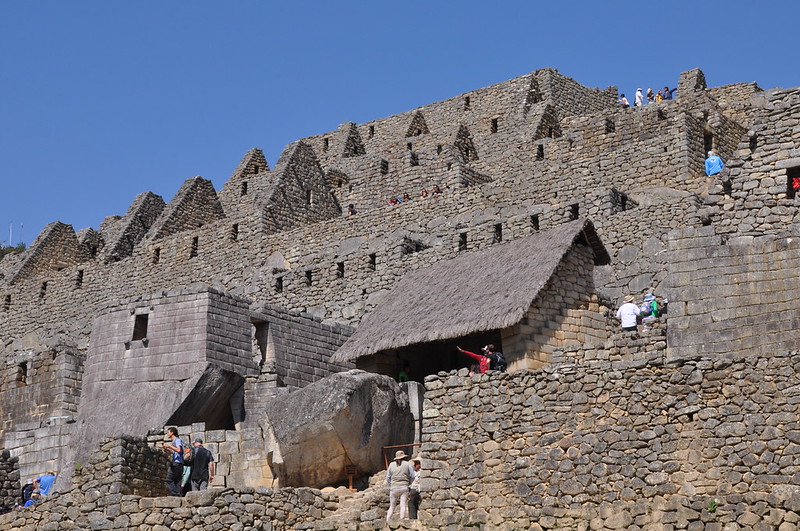
The main sun shrine
The shrines in Machu Picchu
Machu Picchu was built as a sacred place for the Inca civilization. It houses several temples inside that were used as places of worship and worship of its main deities. Among its more than a thousand inhabitants were the most important people in the empire, including the Inca and his family. They spent seasons of rest and spiritual connection in this place. Without a doubt, the best places to explore in Machu Picchu are its beautiful shrines to venerate the sun, the moon, the sacred mountains, mother earth and animals considered sacred.
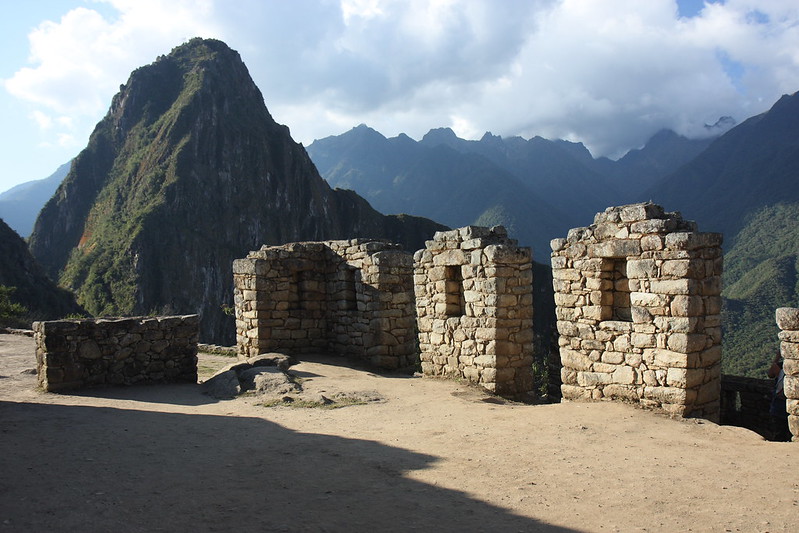
Workshop area of Machu Picchu
Workshop area in Machu Picchu
One of the least-visited sectors to which tourists pay the least interest are the textile and ceramic work areas in the lost city of the Incas. These sectors to explore in Machu Picchu are located in the lower part of the citadel, very close to the temple of the condor and the water mirrors. The ceramics and textiles that were produced were used in a practical and ceremonial way. This ceramic was also sent to the neighboring towns of Machu Picchu.
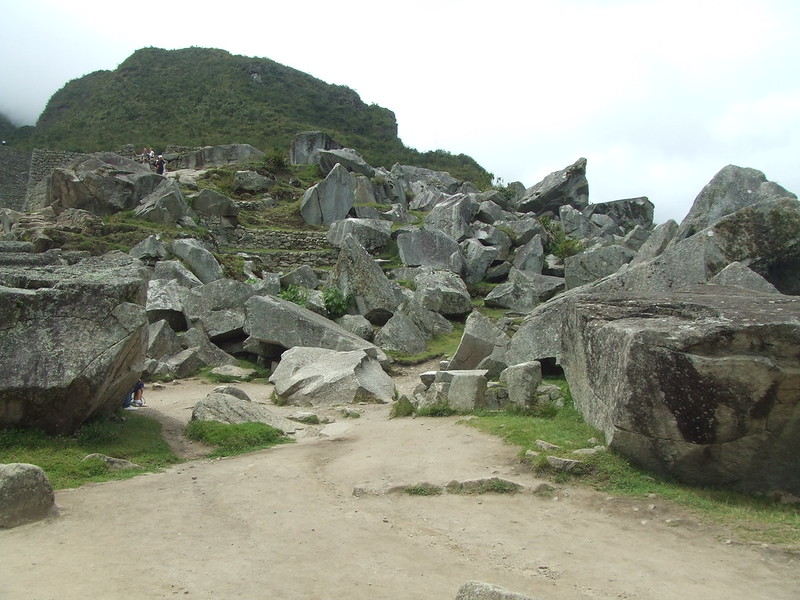
Granite chaos
Explore in Machu Picchu the sector of stone quarries.
The Inca City of Machu Picchu is located on a granite rock formation, called «The Batholith of Vilcapampa or Vilcabamba», whose origin dates back to the Paleozoic with 250 million years old. The type of rock of this formation is white granite, with a hardness of 6 to 7 degrees of hardness, on the Mohs scale. You can also find rocks such as slates, quartzites and metamorphic conglomerates.
Explore in Machu Picchu the sector of stone quarries.
The stones and rocks of Machu Picchu were never brought from anywhere. The Incas found in this place 3 stone quarries, which were used for the construction of one of the 7 wonders of the world. In these sectors you can clearly see the work of transporting, fracturing, carving and polishing the stones.
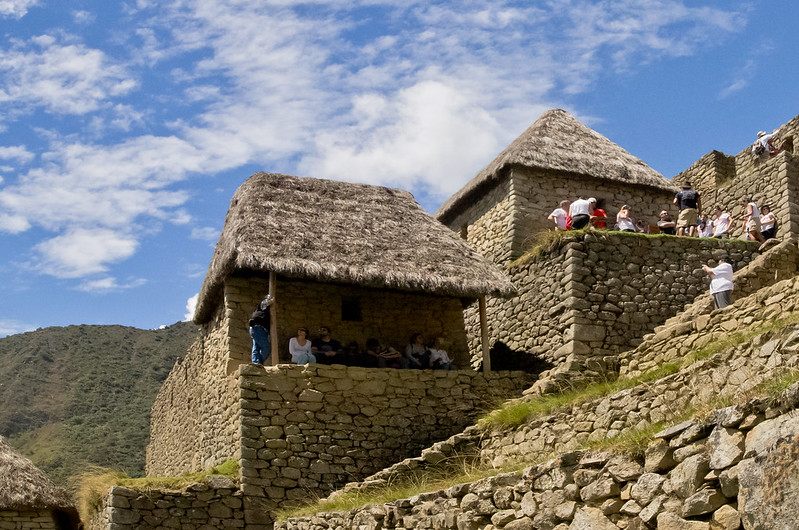
Warehouse of Machu Picchu
Explore in Machu Picchu the food warehouses.
In the Inca citadel there are two sectors of well-defined food deposits. The first ones are located in the agricultural sector of the citadel and were used to store the products that were grown on the agricultural terraces of Machu Picchu. According to the study of pollen in the soil, pollen from corn, potatoes, pumpkins and chili peppers could be identified. The other type of food deposits to explore in Machu Picchu, are located behind the access door to the Inca citadel. These deposits were to store products that were cultivated in other regions of the great empire of the Incas. Some foods that we were able to identify in these deposits were quinoa, kiwicha, maca, and dehydrated potatoes.
What to take into account that according to the geological and structural studies carried out in Machu Picchu by UNESCO geologists and engineers, it was determined that some sectors of the Inca citadel have a high risk of collapse. Due to that, at present you can explore in Machu Picchu only certain sector according





Leave A Reply