


The dream of thousands of travelers around the world is to hike the legendary trail that leads to Machu Picchu. This unique experience combines adventure, history, and nature in a route that has captured the hearts of millions. If you’re planning your next great adventure, here you’ll find all the essential information to prepare for your journey.
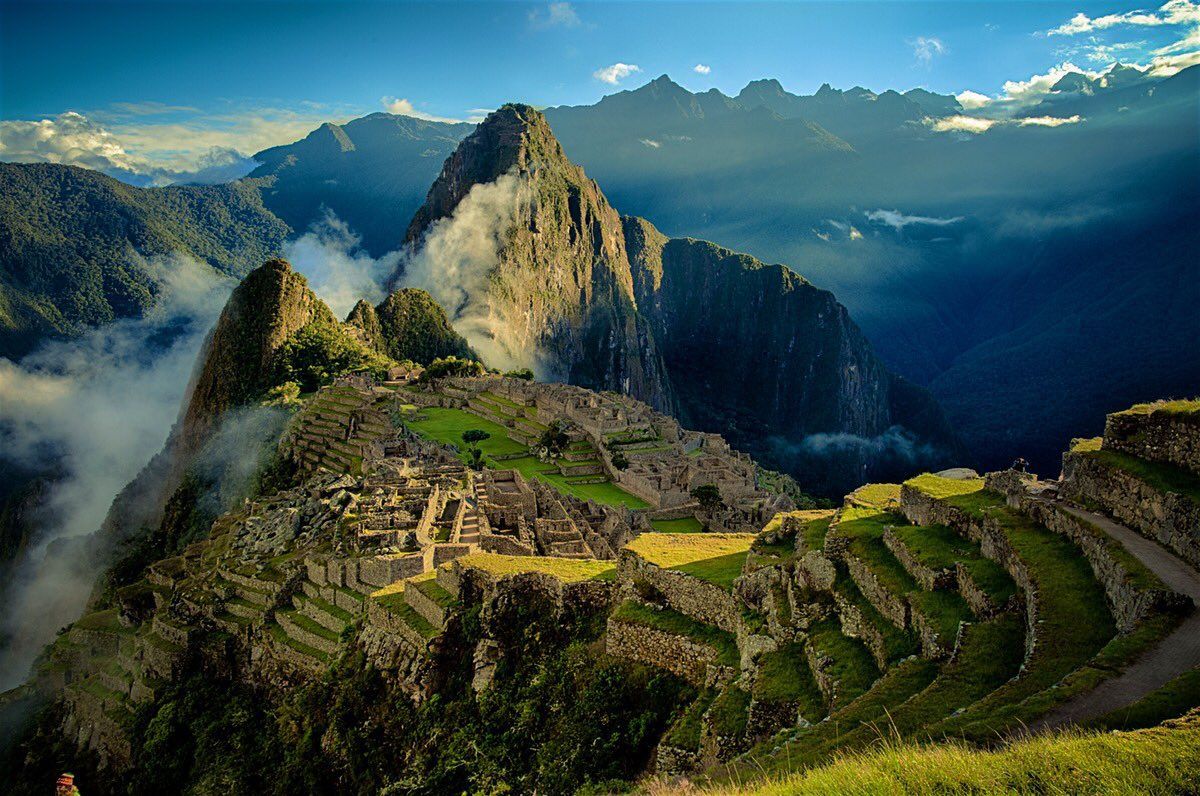
Where the clouds kiss the earth and Inca dreams come to life in every stone of the classic road.
Summary
What is the Classic Inca Trail?
The Classic Inca Trail is the most famous trekking route in South America and one of the most spectacular hikes on the planet. This ancient trail was built by the Inca civilization more than 500 years ago and served as a ceremonial route to the sacred city of Machu Picchu.
The classic version of the trek covers approximately 43 kilometers (26 miles) of hiking spread over four days and three nights. During this time, adventurers traverse diverse ecosystems, from subtropical valleys to mountain passes at over 4,200 meters (14,000 feet) above sea level, while discovering impressive Inca archaeological sites along the way.
4-Day Classic Trek Itinerary
Day 1: The Adventure Begins (12 km)
The first day begins early with a transfer from Cusco to kilometer 82, the official starting point of the classic Inca Trail. After registering at the entrance checkpoint, the hike begins at a moderate pace, following the Urubamba River. During this day, you will visit the Patallacta archaeological complex and enjoy spectacular views of the snow-capped Veronica Mountain.
The first day’s camp is set up in Wayllabamba, located at an altitude of 3,000 meters. This first stage is relatively easy, perfect for acclimatizing and preparing your body for the challenges to come.
Day 2: The Most Challenging Day (11 km)
The second day is considered the most demanding of the classic trek. The day begins with a continuous ascent to reach the highest point of the entire route: Warmiwañusca Pass, known as «Dead Woman’s Pass,» located at an altitude of 4,215 meters.
The effort is absolutely worth it when you reach the summit and take in the panoramic views of the surrounding mountains. After the descent, you’ll arrive at the Pacaymayo campsite, where you can rest and recharge for the rest of your adventure.
Day 3: Archaeological Ruins (16 km)
The third day of the classic itinerary is the longest in distance, but also the richest in archaeological content. You’ll visit three important Inca complexes: Runkurakay, Sayacmarca, and Phuyupatamarca. Each of these sites offers a unique glimpse into Inca engineering and worldview.
The trek includes a second mountain pass at 3,950 meters before descending to the Wiñay Wayna campsite, located near the archaeological site of the same name. This is your last campsite before reaching Machu Picchu.
Day 4: The Final Reward (5 km)
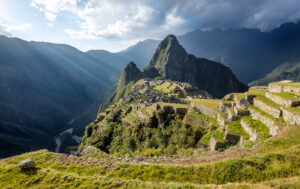
The final day begins before dawn, usually around 3:30 AM. The goal is to reach Inti Punku (Sun Gate) to witness the sunrise over Machu Picchu. After hiking for approximately two hours in the dark, you will be rewarded with the most anticipated view of the classic tour: the majestic Inca citadel emerging from the mountains.
Following this magical moment, you will descend to Machu Picchu for a guided tour of the sacred city, exploring its temples, palaces, agricultural terraces, and hydraulic systems that demonstrate the impressive knowledge of this ancient civilization.
Requirements and Preparation
Permits and Reservations
The classic Inca Trail has a strict limit of 500 people per day, including guides, porters, and tourists. Permits sell out months in advance, especially during peak season (May to September). It is essential to book your classic trek at least six months in advance to secure your spot.
Required Physical Condition
While you don’t need to be a professional athlete, you do require a moderate to good level of fitness. Ideal preparation includes regular cardiovascular exercise for at least two months before your trip. Backpacking in mountainous terrain is the best preparation for the classic Inca Trail.
Acclimatization to Altitude
Altitude is one of the biggest challenges of the classic trek. It is recommended to spend at least two or three days in Cusco (3,400 meters) before starting your trek. During this time, your body will gradually adapt to the lower oxygen levels.
Best Time to Trek the Classic Inca Trail
The dry season, between April and October, offers the best conditions for the classic Inca Trail. May through September have clear skies and a lower chance of rain, but are also the most crowded.
The rainy season (November to March) brings greener landscapes and fewer crowds, but also more challenging conditions. It’s worth noting that the trail is completely closed during February for maintenance.
What to Pack in Your Backpack?
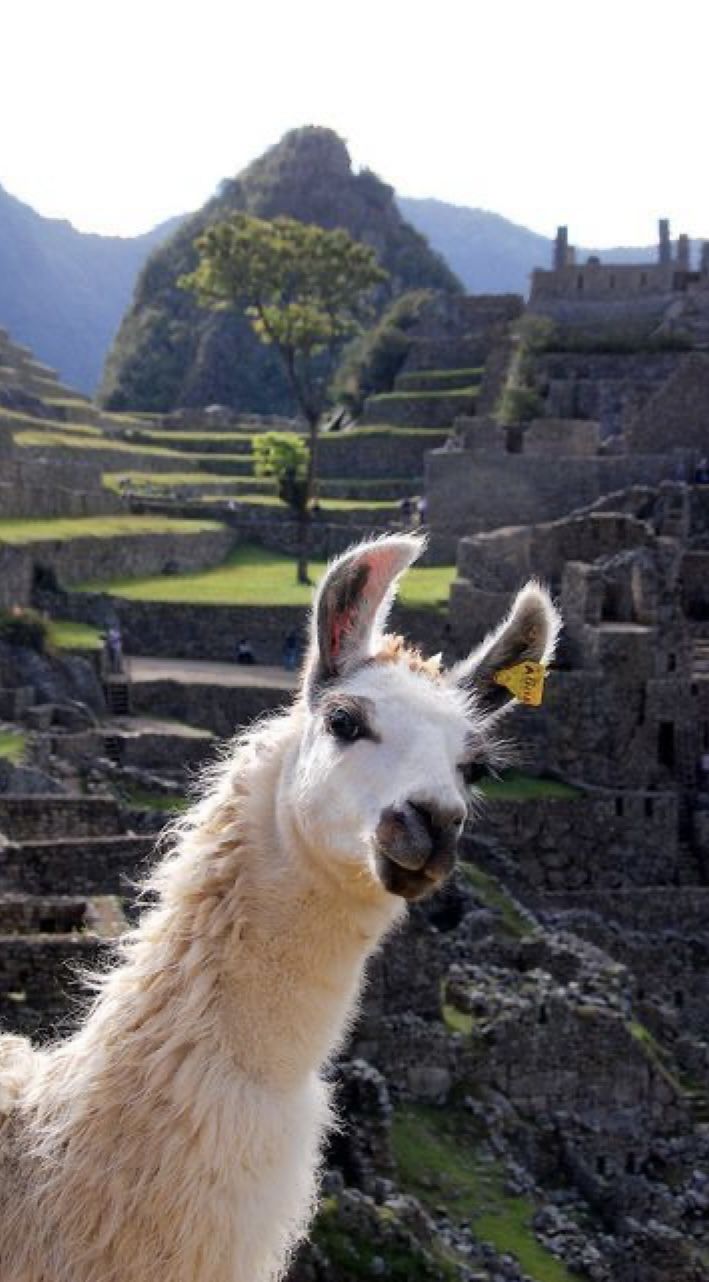
On the classic Inca Trail you discover that you are stronger than you ever imagined.
Essential Equipment
- Comfortable, broken-in trekking boots
- Layered clothing for varying temperatures
- Waterproof jacket and rain pants
- Sleeping bag suitable for sub-zero temperatures
- Trekking poles to protect your knees
- High-factor sunscreen (radiation is intense)
- Insect repellent
- Personal medications and basic first-aid kit
- Headlamp with spare batteries
- Personal documents and original passport
Optional but Recommended Equipment
- Camera with extra batteries
- Power bank for electronic devices
- Energy snacks and cereal bars
- Waterproof bags to protect your clothing
- Gloves and hat for cold nights
Services Included in the Classic Tour
When you book the classic Inca Trail with an authorized agency, it generally includes:
- Entrance permits to the trail and Machu Picchu
- Professional bilingual guide
- Porters for group luggage (tents, food, cooking equipment)
- All meals during the trek (breakfast, lunch, dinner, and snacks)
- Equipment Camping equipment (tents, sleeping mats)
- Transportation Cusco – Km 82 and Aguas Calientes – Cusco
- First aid kit and emergency oxygen
Important Aspects to Consider
Respect for the Environment
The classic trail crosses areas of great ecological value within the Historic Sanctuary of Machu Picchu. It is essential to follow the «leave no trace» principle: take all your trash back with you, do not pollute water sources, and respect the local flora and fauna.
Archaeological Sites Along the Route
One of the most fascinating aspects of the classic Inca Trail is the number of archaeological ruins you will encounter. Some of the most outstanding include:
Llactapata: The first major archaeological site, located a few hours from the start of the trek.
Runkurakay: A circular structure that likely served as a checkpoint or resting place.
Sayacmarca: Known as the «inaccessible city,» built on a rocky promontory with spectacular views.
Phuyupatamarca: «City above the clouds,» one of the most impressive complexes with ceremonial terraces and water systems. Wiñay Wayna: A spectacular site with perfectly preserved agricultural terraces, located very close to Machu Picchu.
Approximate Costs
The price of the classic Inca Trail varies depending on the agency and the services included, but it generally ranges between $600 and $800 USD per person. This cost may seem high, but consider that it includes all permits, professional guides, porters, full board, and the positive economic impact on local communities.
Alternatives to the Classic Trek
If you cannot obtain permits for the classic Inca Trail or are looking for different options, there are equally fascinating alternative routes:
- Salkantay Trek: A 5-day route that passes through the imposing Salkantay mountain.
- Lares Trek: A combination of nature and living Andean culture.
- Short Inca Trail: A 2-day version of the classic trek that covers the final section.
Tips from Experienced Travelers
Those who have completed the classic Inca Trail share these valuable tips:
- Train in advance: Don’t underestimate the physical challenge, especially on the second day.
- Travel light: Porters carry group gear, but you’ll carry your daypack. Every gram counts at altitude.
- Stay positive: There will be tough moments, but the ultimate reward outweighs any challenge. Interact with your group: Classic trekking is a shared experience that creates lasting bonds. Disconnect: Cell phone coverage is limited. Take advantage of this to live in the present moment.
- Tip the support team: The porters and cooks make this experience possible. A fair tip is part of the tradition.
Cultural Impact and Preservation
The classic Inca Trail is not just a hike; it is a pilgrimage through the living history of the Inca Empire. Every stone along the trail was placed with purpose, every archaeological site holds ceremonial significance. By walking this route, you connect with an ancient tradition and become part of its preservation.
Strict regulations on visitor numbers and sustainable practices implemented by authorized agencies help protect this cultural treasure for future generations.
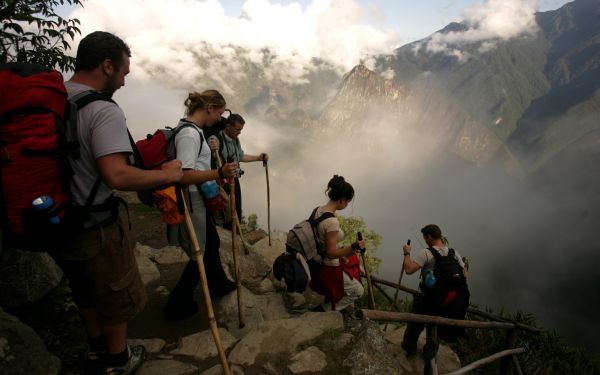
Inca Dawn
Conclusion
The 4-day classic Inca Trail is much more than a simple hike to Machu Picchu. It is a transformative experience that combines physical challenge, unparalleled natural beauty, and a profound connection with one of the most fascinating civilizations in human history.
Each step on this classic trail brings you closer not only to the sacred citadel but also to a deeper understanding of the Andean worldview, Inca engineering, and the impressive relationship this culture maintained with its natural environment.
If you are considering this adventure, don’t hesitate any longer. Start your physical training, book in advance, and prepare for one of the most memorable experiences of your life. The classic Inca Trail awaits you with its majestic mountains, ancient ruins, and the promise of an unforgettable sunrise over Machu Picchu.
Are you ready to follow in the footsteps of the ancient Incas and conquer the most famous classic trek in the world? Your adventure begins now.





Leave A Reply