


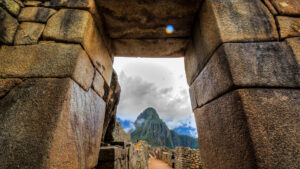
Machu Picchu, one of the Seven Wonders of the World since 2007, was a ceremonial and spiritual center built by the Incas in the 15th century.
This extraordinary Inca citadel, perched high in the Andes, stands as a masterpiece of engineering, architecture, and art, in perfect harmony with the sacred natural landscape that surrounds it.

Circuit 2-B
Summary
🏛️ Visitor Access & Ticketing Changes for 2026
📌 Daily Visitor Limits
Peru’s Ministry of Culture has set official limits to protect the Inca citadel:
-
High season (peak tourist periods): up to 5,600 visitors per day.
-
Rest of the year (low season): 4,500 visitors per day.
These limits aim to balance tourism with preservation and are enforced year-round for 2026.
🎟️ Tickets & How to Buy
-
Tickets must be purchased in advance through the official website: tuboleto.cultura.pe.
-
A limited number of in-person tickets (about 1,000/day) may still be sold at the Machu Picchu ticket office in Aguas Calientes to support local tourism, with real-time availability information.
Tip for travelers: Tickets often sell out months ahead — especially for peak months like May–August and December — so booking early (ideally when sales open early in the year) is strongly recommended.

Machu Picchu ticket
🥾 Inca Trail Permits
If you’re trekking the Inca Trail, note that trail permits no longer include an entrance ticket to Machu Picchu. You must purchase a separate Machu Picchu ticket to enter the citadel on arrival.
🗺️ Management & Conservation Policies
📊 New Master Plan (2026–2030)
A new Historic Sanctuary Master Plan was approved in early January 2026 to guide preservation efforts through 2046. The plan will address:
-
Visitor flow and circuit design, adapting them to different types of tourism.
-
Conservation of both the archaeological structures and natural biodiversity of the sanctuary (which includes hundreds of bird, mammal, and plant species).
The plan’s implementation phase is 2026–2030.
📅 Visitor Capacity Review
A technical study to reassess the optimal daily visitor capacity of Machu Picchu is underway and expected to be completed by September 2026. The results may lead to future adjustments in limits and routing.
🚆 Railway & Access Issues
🚨 Train Crash Near Machu Picchu (Dec 2025)
A serious collision between two trains on the route to Machu Picchu in late December 2025 resulted in at least one fatality and dozens of injuries. This accident temporarily halted rail services on the line most visitors use to reach the town of Aguas Calientes, the base for access to the site. Authorities continue investigations and safety reviews.
🧱 Protests Affecting Access
In 2025, protests over bus contracts in Aguas Calientes occasionally blocked railway and bus access, stranding tourists and forcing alternative travel arrangements (like hiking to the hydroelectric route). While such events have subsided, they highlight the potential volatility of access infrastructure.
📌 Visitor Experience & Practical Notes
📆 High vs. Low Season
-
High Season: January 1; April 2–5; June 19–Nov 2; Dec 30–31 — maximum capacity allowed.
-
Low Season: Outside those dates — lower limits and often quieter conditions.
🧑🎓 Discounts & Free Admission
-
Children under 3 years old enter free.
-
Some student discounts apply (undergraduate IDs from approved institutions).
-
In some years (e.g., 2026), residents of the Cusco region may receive free entry on designated Sundays with ID — check local policies when planning.
Machu Picchu is not only an archaeological marvel, but a living testimony to the wisdom, harmony, and vision of the Inca civilization. Every stone, pathway, and terrace reflects a deep respect for nature and a profound understanding of the mountains that surround it.
As the mist lifts and the sun illuminates the citadel, visitors often feel a powerful sense of stillness and awe. The energy of the place invites reflection, reminding us of humanity’s ability to create beauty while living in balance with the Earth.
Leaving Machu Picchu is both a farewell and a promise—to carry its history, spirit, and lessons forward. It is an experience that stays in the heart, calling travelers to remember, respect, and protect this sacred heritage.






Leave A Reply