


There are multiple ways to get to Machu Picchu: train, bus, alternative hikes. However, the Inca Trail remains the most prestigious, exciting, and meaningful option for reaching the lost citadel of the Incas. In this article, we’ll explore the compelling reasons why the Inca Trail is not just a good option, but the best option for experiencing Machu Picchu in the most authentic and transformative way possible.
Summary
The Only Original Route to Machu Picchu
The Inca Trail is not simply a tourist trail created in modern times. It is the original ceremonial route that the Incas built over 500 years ago specifically to reach Machu Picchu. Every stone on the trail was intentionally placed by Inca architects and engineers as part of the extensive road system known as Qhapaq Ñan, which connected the entire empire.
When you hike the Inca Trail, you are literally following in the footsteps of Inca pilgrims, priests, and nobles who traveled this same route to the sacred city. This tangible historical connection is impossible to replicate by any other way of reaching Machu Picchu. You are not simply visiting an archaeological site; you are reliving an ancient ceremonial experience.
The stones polished by centuries of footsteps, the staircases carved into the mountain, the tunnels hewn from the living rock—all are part of the Inca architectural legacy that still functions perfectly after half a millennium. No modern train or alternative route can offer this absolute historical authenticity.
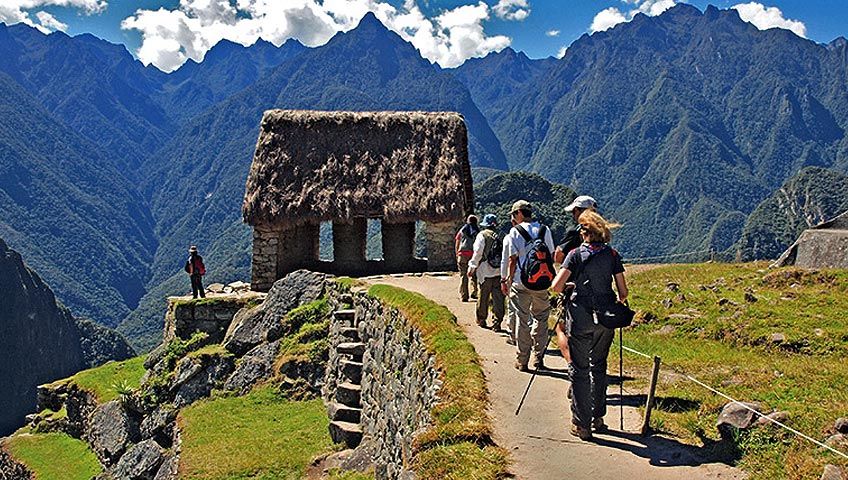
The Inca Trail took me to Machu Picchu along the route that the ancient Incas walked 500 years ago.
The Most Epic Arrival at Machu Picchu
One of the most compelling arguments for the Inca Trail is the unparalleled moment of arriving at Machu Picchu through Inti Punku, the Sun Gate. After four days of trekking, you rise before dawn at your final campsite and walk in the dark for approximately two hours until you reach this ceremonial gateway.
As the sun begins to illuminate the horizon, Machu Picchu gradually emerges from the morning mist before your eyes. This moment is frequently described by travelers as one of the most emotional of their lives. Many are moved to tears as they witness this gradual revelation of the lost citadel after the physical and mental effort invested.
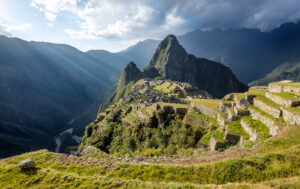
The entrance through Inti Punku is exclusive to those who complete the Inca Trail. Visitors arriving by train and bus enter through the modern main gate, completely missing this ceremonial experience originally designed by the Incas. Seeing Machu Picchu appear from this elevated angle, with Huayna Picchu in the background and the deep valleys on either side, is a privileged perspective that justifies every step of the trek.
This moment of arrival transforms Machu Picchu from a mere tourist attraction into a profound spiritual experience. You have earned the right to be here through genuine effort, not simply by purchasing a train ticket.
Exclusive Access to Unique Archaeological Sites
The Inca Trail doesn’t just lead to Machu Picchu; it connects you to numerous Inca archaeological complexes that are completely inaccessible to regular tourists. These sites can only be visited by those who obtain special permission to hike the trek.
- Llactapata is the first major complex, located a few hours after the start of the trail. This site of agricultural terraces and ceremonial structures offers spectacular views of the snow-capped Veronica Mountain and serves as an introduction to the Inca architecture you’ll encounter along the trail.
- Runkurakay is an enigmatic circular structure that likely functioned as a checkpoint or tambo (rest stop) on the original route. Its strategic location and unique design demonstrate the sophistication of the Inca communication system.
- Sayacmarca, whose name means «Inaccessible City,» is built on a rocky promontory with breathtaking panoramic views. This semicircular complex with multiple levels, plazas, and ceremonial fountains is one of the most photogenic sites on the Inca Trail.
- Phuyupatamarca is arguably the most spectacular site before Machu Picchu. The «City Above the Clouds» features six ceremonial baths fed by a sophisticated hydraulic system that still functions after 500 years. The stepped terraces and dramatic location make this complex an architectural gem.
- Wiñay Wayna is the last major archaeological site before Machu Picchu and one of the most impressive on the Inca Trail. Its perfectly preserved agricultural terraces cascade down the mountainside in a waterfall of green stone. The complex includes residential, ceremonial, and agricultural sectors that demonstrate Inca urban planning.
No other route to Machu Picchu offers access to this quantity and quality of archaeological sites. These complexes add invaluable historical context that profoundly enriches your understanding of the Inca civilization before you reach the main citadel.
The Experience Is Protected and Preserved
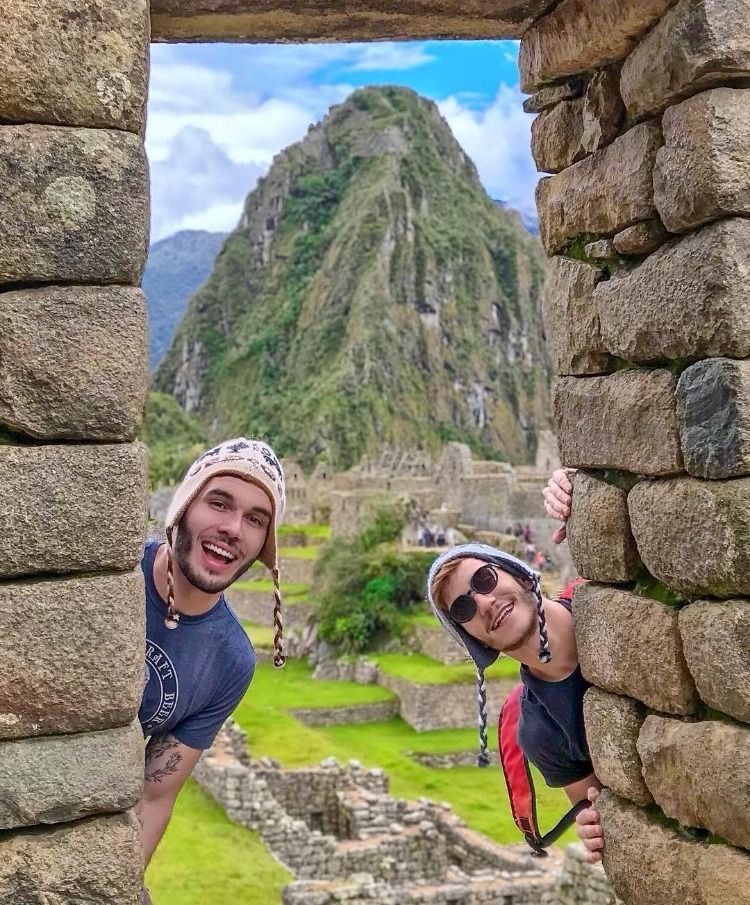
The Inca Trail not only took me to Machu Picchu, it transformed me into someone stronger along the way.
Unlike alternative routes that can degrade from overuse without regulation, the Inca Trail is strictly protected by the Peruvian government. The limit of 500 people per day (including tourists, guides, and porters) ensures the trail is maintained in excellent condition and that the experience isn’t overwhelmingly crowded.
This limited permit system also means that each group must be accompanied by certified guides who are experts in Inca history, archaeology, and Andean culture. The quality of information you receive on the Inca Trail far surpasses what you would get on a standard Machu Picchu tour of just a few hours.
Strict regulations protect the heritage. Littering is prohibited, campsites are designated in specific locations to minimize environmental impact, and inspectors verify compliance. This sustainable management ensures that future generations can enjoy the Inca Trail to Machu Picchu in the same conditions as you.
The annual closure in February for maintenance demonstrates the commitment to preservation. During this month, specialized teams repair damaged sections, clean ancient drainage systems, and assess the overall condition of the trail. This meticulous care is nonexistent on unregulated alternative routes.
Guaranteed Personal Transformation
The Inca Trail is not just a means of transportation to reach Machu Picchu; it is a transformative experience that challenges your physical and mental limits. On the second day, as you ascend Warmiwañusca (Dead Woman’s Pass) at 4,215 meters (13,700 feet), you face not only the mountain but also your own doubts and insecurities.
This controlled challenge in a safe, yet genuinely difficult, environment reveals what you are truly made of. Many travelers report that completing the Inca Trail gave them the confidence to face other challenges in their lives. If you can conquer four days in the Andes Mountains, what else can you achieve?
The experience also creates deep bonds with fellow trekkers. Sharing the physical exertion, the cold nights camping, the moments of doubt, and the euphoria of reaching Machu Picchu together forges friendships that often last for years after the trip. This camaraderie is unique to multi-day treks and does not exist on day trips to Machu Picchu.
Forced digital detox is another transformative benefit. Without cell service for four days, you reconnect with the present moment, with nature, and with genuine conversations. This temporary tech detox is increasingly valuable in our hyperconnected world.
The Complete Andean Experience
The Inca Trail offers total immersion in Andean culture that goes far beyond simply visiting Machu Picchu. You interact with local Quechua porters who maintain ancestral traditions, learn about native medicinal plants, observe agricultural techniques on terraces still in use, and experience the Andean worldview that considers the mountains (Apus) sacred.
Guides share Inca legends, explain the ceremonial significance of specific sites, and help you understand the symbiotic relationship between the Incas and their natural environment. This profound cultural education is impossible to obtain on a quick visit to Machu Picchu, where tours are limited to just a few hours.
The offering ceremonies to Mother Earth (Pachamama) that some groups perform at the start of the trek connect you with Andean spiritual practices that continue to this day. Participating in these rituals adds a spiritual dimension to your trip that transcends conventional tourism.
Greater Long-Term Value
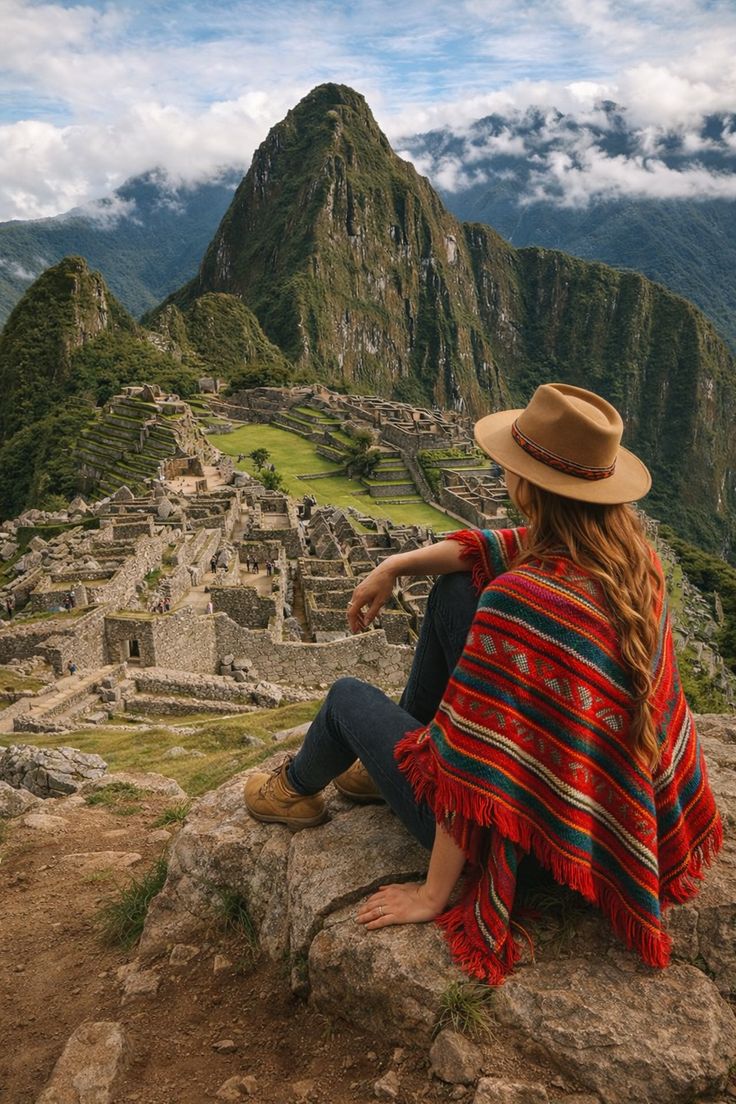
Every stone on the ancient path tells stories of pilgrims who sought Machu Picchu long before me.
Although the Inca Trail is more expensive than simply taking the train to Machu Picchu, it offers infinitely greater value in terms of a memorable experience. The memories you create during four days of adventure, challenge, and discovery are far richer and more lasting than a half-day visit to the citadel.
Years later, travelers vividly recall each stage of the Inca Trail: the struggle at Warmiwañusca, the beauty of Wiñay Wayna, the thrill of Inti Punku, the evening conversations at camp. These multidimensional memories contrast sharply with the vague «I went to Machu Picchu and took pictures» recollections of typical visitors.
The photography component is also superior. In addition to the classic photos at Machu Picchu, you have hundreds of images documenting your adventure: diverse landscapes, unique archaeological sites, travel companions, and personal moments of achievement. Your album tells an epic story instead of simply being a collection of posed photos at a famous location.
Globally Recognized Achievement
Completing the Inca Trail to Machu Picchu is an internationally recognized achievement that deserves respect. It’s included on countless bucket lists and «things to do before you die» lists. When you mention hiking the Inca Trail in conversation, it generates genuine admiration because people know it requires preparation, effort, and real commitment.
This social recognition isn’t superficial; it reflects that you accomplished something truly challenging. Unlike passive sightseeing, the Inca Trail requires you to be an active participant in your adventure. You earned Machu Picchu through your own effort, not simply consumed it as a tourist product.
The completion certificate you receive also has symbolic value. Although it’s just a piece of paper, it represents four days of determination, overcoming obstacles, and personal growth. Many frame it as a visual reminder of their ability to achieve difficult goals.
Conclusion: The Ultimate Experience
The Inca Trail to Machu Picchu is undoubtedly the best option for those seeking more than just superficial tourism. It’s the only way to reach Machu Picchu by hiking the original Inca Trail, experience the ceremonial arrival at Inti Punku (Sun Gate), access exclusive archaeological sites, and gain a profound appreciation for the lost citadel through genuine effort.
While the train to Machu Picchu offers convenience and alternative routes offer different scenery, none can match the historical authenticity, cultural significance, personal transformation, and experiential richness of the Inca Trail. If your physical condition allows, if you can plan ahead, and if you value profound experiences over superficial comfort, the Inca Trail is undoubtedly your best option.
Machu Picchu awaits at the end of the trail, but the true magic happens during the four days that lead you there. It’s not just the destination; it’s the journey that makes it extraordinary. The Inca Trail transforms your visit to Machu Picchu from a simple item checked off your travel list into a transformative experience that you will remember and cherish for the rest of your life.
Are you ready to experience Machu Picchu the way it deserves to be experienced? Contact us and we’ll help you book your Inca Trail adventure. Permits are limited, so start planning your pilgrimage to this wonder of the world that changed history today.





Leave A Reply