


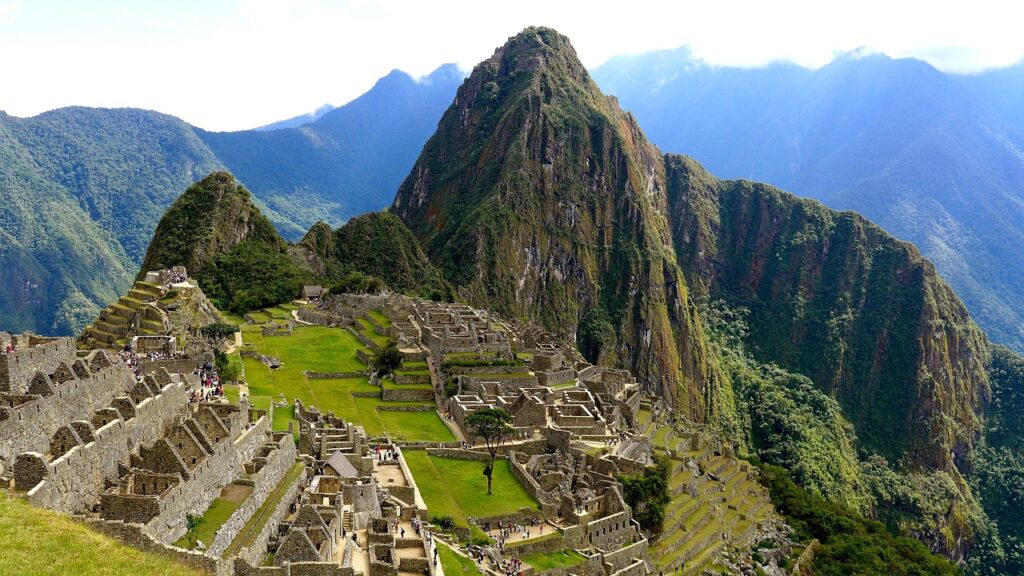
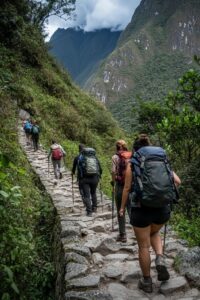
Hiking the Inca Trail is to immerse yourself in the most iconic trekking experience in Peru and the world. Imagine traversing sacred mountains and Andean landscapes along ancient stone paths that have stood the test of time. Today, traveling to Cusco and hiking these trails is to connect with the living history of a civilization that combined wisdom and engineering to master the Andean geography. It is the ultimate adventure for those seeking culture, nature, and a profound respect for the legacy of the Andes.
Circuit 2-B
Summary
Origin of the Inca Trail
The Inca Trail originated in the 15th century, during the expansion of the Inca Empire, the most powerful civilization in pre-Columbian America. This impressive system of Inca roads extended for more than 30,000 kilometers, connecting territories that today form part of Peru, Ecuador, Bolivia, Chile, Argentina, and Colombia, and establishing itself as one of the greatest feats of Inca engineering.
As the Inca Empire expanded along the Andes Mountains, the Inca Road became a crucial strategic network for the organization of Tahuantinsuyo. Thanks to their profound understanding of Andean geography, the Incas designed roads adapted to mountains, valleys, and high jungle, demonstrating an advanced mastery of pre-Hispanic architecture and infrastructure.
Inca Trail 2026
From a functional perspective, the Inca Road played a key role in the communication, trade, and administration of the empire. It allowed for the rapid movement of the chasquis, the Inca messengers, facilitated the exchange of agricultural products, textiles, and ceramics, and ensured connectivity between administrative centers, tambos (way stations), and ceremonial sites. This road network strengthened the cultural and economic integration of the Andean peoples.
Beyond its practical function, the Inca Road held profound spiritual and symbolic significance. By traversing sacred landscapes, mountains considered apus (mountain spirits), and ceremonial spaces, the road reflected the Andean worldview and the Incas’ close relationship with Pachamama (Mother Earth). Each section was built respecting nature, transforming the Inca Trail into a sacred route that connected the human with the divine.
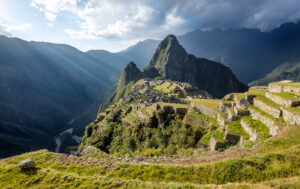
Today, the Inca Trail to Machu Picchu is one of the most famous trekking routes in the world and an essential cultural tourism experience in Peru. Traveling with an authorized tour operator allows you to discover its history, landscapes, and symbolism in a safe, organized, and enriching way.
Functionality of the Inca Road
1. Communication and Administration
The Inca Road was key to communication within the Inca Empire. Through this road network, chasquis (messengers) transported messages, orders, and quipus (knotted cords), enabling efficient management of the Tahuantinsuyo (Inca Empire). Thanks to this functionality, the Inca maintained administrative control even in distant regions, demonstrating an advanced organization adapted to the Andean geography.
2.Trade and Cultural Exchange
One of the main functions of the Inca road system was to facilitate the exchange of goods between different regions. Foods such as corn, potatoes, and quinoa, as well as textiles and ceramics, circulated along these routes. This constant movement strengthened trade and promoted cultural exchange, unifying the peoples of the empire.
3. Military Function and Territorial Control
The Inca Road allowed for the rapid deployment of the Inca army, guaranteeing the defense and stability of the empire. The presence of tambos (way stations) along the road offered rest and supplies to soldiers and travelers, ensuring territorial control and the strategic expansion of the Inca Empire.
4. Connecting Important Centers
This road network connected administrative centers, cities, temples, and ceremonial sites, serving as the axis that linked the heart of the empire with its most distant territories. The Inca Trail to Machu Picchu is the most emblematic example of this function, combining infrastructure, landscape, and symbolism.
5. Spiritual and Ceremonial Function
Beyond its practicality, the Inca Road held profound spiritual significance. Many routes crossed sacred mountains (apus) and ceremonial spaces, reflecting the Andean worldview and respect for Pachamama (Mother Earth). Walking these paths was also a ritual and symbolic act.
6. Current Tourism Functionality
Today, the Inca Trail remains a vital resource for cultural and adventure tourism in Peru. Traveling this route with an authorized tour operator allows you to enjoy a safe, organized, and enriching experience, combining history, nature, and tradition on your way to Machu Picchu.
Experience the Inca Trail with an Unforgettable Journey
Hiking the Inca Trail to Machu Picchu is much more than a trek: it’s about experiencing the history, culture, and energy of one of the world’s most fascinating civilizations. This ancient route combines trekking, Andean landscapes, archaeological sites, and living traditions, making it one of the most comprehensive tourism experiences in Peru.
If you dream of discovering the Inca Trail safely, in an organized and authentic way, doing so with IncaGo Expeditions makes all the difference. Our team takes care of every detail so you can focus solely on enjoying the journey, connecting with history, and reaching Machu Picchu just as the ancient Incas did.
MAGICAL MACHU PICCHU





Leave A Reply